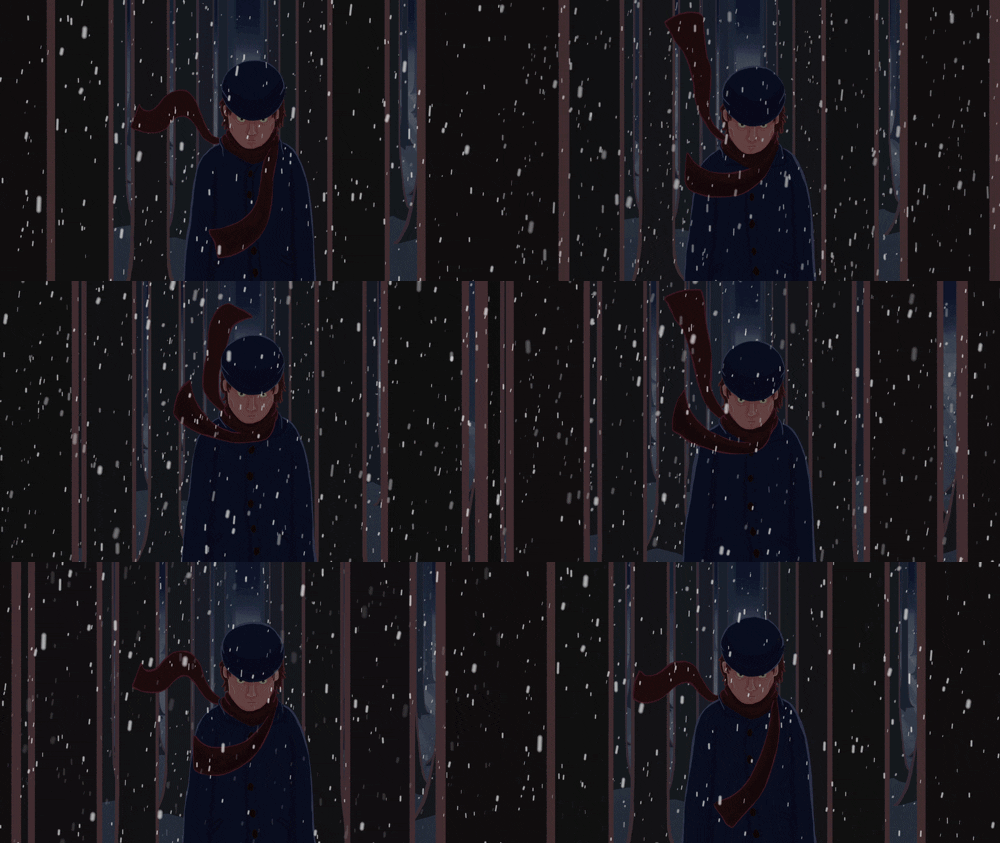
For Wed., let’s talk about Sarah Orne Jewett’s lovely short story, “A White Heron.”
Also, some book clubbin’ work to do: 1) create a “syllabus glossary” – -this should be a guide to the main themes, motifs, settings, narrative structures that we’ve looked at so far this semester. (Recall the quick demo we did in class.) This will supply your group a quick reference to connect your reading log commentary to the other texts we’ve read; 2) get your reading logs going. Remember, these are collaborative documents, i.e. create a “Reading Log” – – via the “Docs” button in your group forum – -for each reading assignment in your reading schedule; everyone should then contribute to the reading log.
Make sure that you have a reading schedule posted to your Book Club group. And, create a reading log (i.e. create a Doc in your group and label it with your first reading assignment).
The reading log is a place for you to keep group notes while you read. Remember, the goal of the Book Club is – – ultimately – – to explain how your novel is a good example of American literature; in other words, as you write your reading log, you should be noting connections between your novel and the texts we’ve read so far. These connections can be: thematic, common motifs (settings like the forest/woods, “nudity,” dusk/dawn/night/day, etc.), structural (like the A-B-A’ structure or the initiation journey or the voyage into nature or etc.).
Two things for Wed.: first, read the sheaf of Emily Dickinson poems; second, bring in the title of your candidate novel for your book club. (Remember: the book must be a novel that you haven’t read, written by an American author, and published since 2000.)
Also, let’s get book clubbin’! Over the weekend, think about a novel you’d like to read. The novel should be contemporary (published since 2000) and written by an American writer. Write down the title and author of your chosen book and bring the info to class.
Also, take a look at our new blog digest page. Browse through your colleagues’ versions of Whitman’s “A child said . . . ” and find a version you really like. Print your favorite and bring it to class.
And, for Monday, go back and re-read the section of “Leaves of Grass” where Walt answers the question: “A child said, what is the grass?” (Available also in the slightly creepy video above.) Recall how we talked about this section as: emblematic of Whitman’s poetic method (from “I” to “you,” from individual to multitude, from immediate to transcendent); as typical of his poetic attention to the “low” and common (grass and kids vs. flowers and adults etc.); and as reminiscent of Emerson’s comments on “using” books and other things.
Now, select one common, everyday object from the list below and treat it like Whitman would, i.e. substitute the object for grass and try to re-create the way Whitman would write about it poetically. Start your version with: “A child said, what is the [“item from list”]. As with Walt, you should offer at least five “instances” or episodes in your treatment of the object.
Here’s the list:
the sidewalk
the bus or BART car
a cup of coffee
your left shoe
an avocado
Post your Whitmanian poetry to your blog by Monday morning. The person who offers the “most ‘lit’ Whitmanian” verse will receive a special prize.