The Armory Show was first presented at New York City’s 69th Regiment Armory, on Lexington Avenue between 25th and 26th Streets, from February 17 until March 15, 1913. Organized by the Association of American Painters and Sculptors, the show introduced Americans to the latest, avant-garde styles and innovators – – including many cutting-edge contemporary European painters and sculptors.
For Thursday, you’ll visit the 1913 Armory Show.
First, take a look at these representative “classical” paintings to remind yourself of what traditional art looks and feels like :
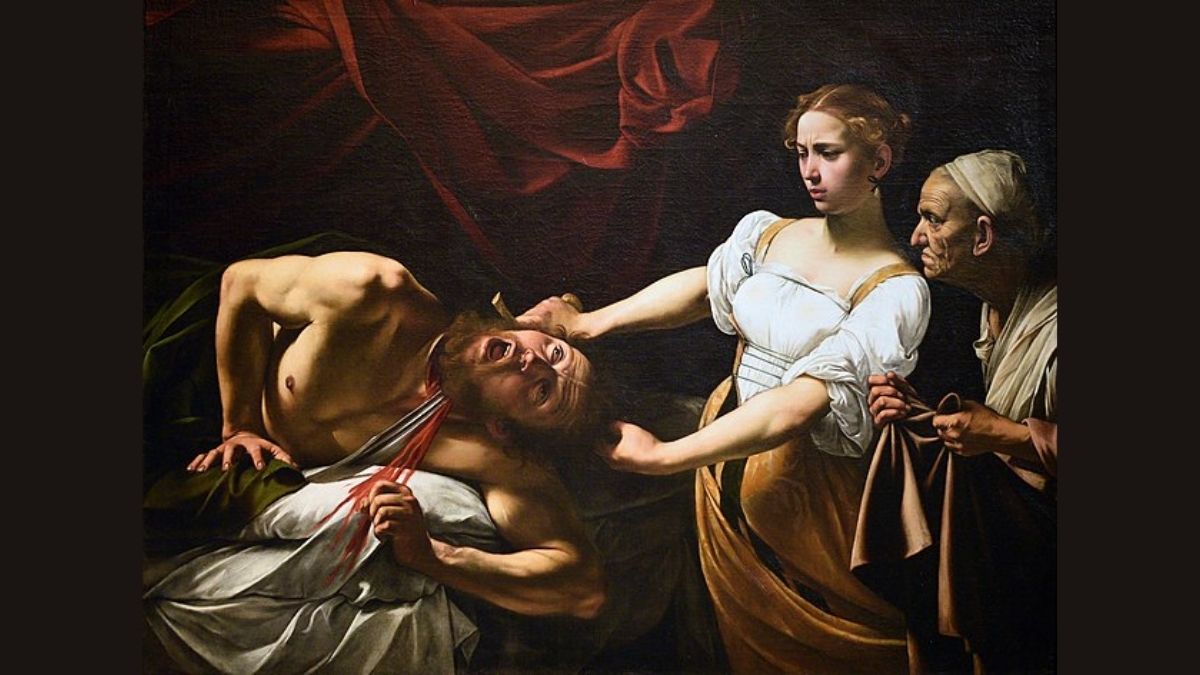

After enjoying these paintings, head over to the Armory Show. Take your time and wander through the galleries. As you do, pick out three paintings or sculptures that you think are the most “modern” (especially in relation to more “traditional” images like those above). Click this link to curate your mini-exhibition (password = “Armory” – – without quotes). Curate your portfolio of visual modernism by writing a couple of paragraphs that explain what makes each of your three works of art modernist – – i.e. decidedly not “traditional.” Complete this tour/tour guide by Monday (10/2) morning.
On Tuesday, we’ll talk about the Armory Show and about Ezra Pound’s tiny poem – -“In a Station of the Metro.” (No annotations necessary.)
If you did not surrender a copy of your “Mystery Text” assignment to me in class last Tuesday (9/26) – – DO NOT EMAIL A COPY. This will only create scads of confusion. INSTEAD, slide a printed copy of your assignment under my office door (HUM 553) as soon as possible – – definitely no later than Monday, October 2.
:max_bytes(150000):strip_icc():format(webp)/GettyImages-96800347-fec7d0218d38443eb8005311bfa79094.jpg)