
For Monday, let’s get frosty! Read the handful of poems by Robert Frost I’ve collected here. Annotate at least two of the poems. And, take a look at David Orr’s discussion of “The Road Not Taken” (above).
Author: admin
For Wed. (2/7)
Sneaking in an update between power outages in fair Oakland.
For Wed., read the poems by Edgar Lee Masters and Edward Arlington Robinson. Add at least three annotations in total to any of the five poems.
For Monday (2/6)

Read Charlotte Perkins Gilman’s “The Yellow Wallpaper.” Make at least three annotations; one of these should be a response to a comrade’s annotation.
For Wed. (2/1)
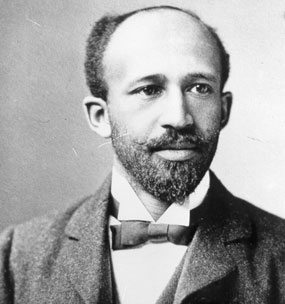
For Wed., let’s move on to W.E.B. Du Bois and an excerpt from The Souls of Black Folk (1903). Add at least two annotations to the excerpt. This time, however, annotate by trying to connect Du Bois’s text to Adams’s “The Dynamo and the Virgin.”
Adams word cloud


For Monday (1/30)
For Monday, read “The Dynamo and the Virgin,” an excerpt from Henry Adams’ The Education of Henry Adams. Be sure to make at least three annotations. (Not sure what I’m talking about – – see this post.)
For Wed. (January 25)
For Wed., January 25, you have one assignment: read and annotate Phil Levine’s poem, “They Feed They Lion.” (We’ll save Henry Adams’ “The Dynamo and the Virgin” for next Monday.) You can find Levine’s poem – – like the rest of our online texts – – in the sidebar to the right – – or click on the links in this text.
How to annotate?
Before describing what makes a helpful annotation, here’s what you’ll need to do to start annotating.
First, go to the “They Feed They Lion” page. On that page, you’ll notice a small but odd set of icons in the upper right-hand corner. They look like this:

Click on the little “<” symbol and a drawer will slide out. It will look like this:

Since you don’t have an account on Hypothesis, our annotation tool, you’ll have to create one. Click on the “Create an account” button and fill in your details:

N.B. When you choose a username – – choose a name that I will recognize. E.g. “LHanley” is going to make life a lot easier for me than “MadProfX,” etc.
Once you’ve created an account and logged into Hypothesis (on the Levine page), you’re ready to start annotating. Here are the basics for how to mark text and add comments. (Don’t worry about mention of the “extension” – – that’s already been installed on the motherblog.) Make at least two annotations, or at least two replies to existing annotations. N.B. Make sure your annotations are set to “public,” so that we can all read them.
Second, what is a good annotation? A good annotation can do several things – – record a response, propose a connection, supply useful information, or pose a helpful question. Basically, annotating is a way of writing what you’re thinking while you read. An unhelpful annotation simply paraphrases the word or line of text. I kind of like Mr. Varnell’s tips over on Genius.com.
This first assignment may engage you in two new things: getting started on online annotation and the work of annotating itself. Don’t stress if things seem clumsy or awkward at first. The more you practice, the more natural – – and easier – – annotation will become. E.g. relax and just start commenting on Levine’s poem.
You’re all set now. Go forth and annotate. (Questions? Problems? Contact me: profhanley@gmail.com.) Enjoy!
Welcome!
Welcome to the motherblog for English 528: American Lit 1914-1960. Here you’ll find course information and updates about reading assignments, class projects, due dates, etc. All of our online texts are located in the sidebar to the right. You’ll also find a link to our syllabus to the right. Enjoy!