Let’s finish up our discussion of Stranger Things by focusing on the season narrative sequences.
Also, take a look at the rubric for your Stranger Things reflective essay.
Let’s finish up our discussion of Stranger Things by focusing on the season narrative sequences.
Also, take a look at the rubric for your Stranger Things reflective essay.
For Tuesday, let’s:
If you can, bring a portable network-connected device to class on Tuesday. This might make your research group work easier.
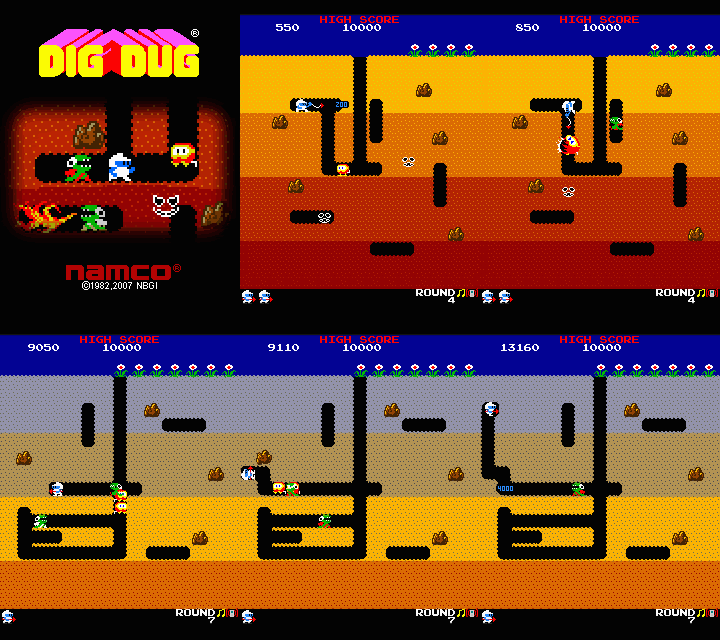
Let’s dig deeper into your episodes of Stranger Things. On the wiki page for each of your two episodes, do the following:
Micro level:
Macro level:

We’ve decided to switch trains here – – from structural analysis of “success stories” to structural analysis of Stranger Things. Remember, however: our reading/discussion of Will Wright and our analysis of Saturday Night Fever have prepared us for this new text. Here’s what you’ll need to do to make the project work:
When we return from Fall Recess, on Tuesday, November 28, we should have a solid, rich analysis for each episode in both seasons of Stranger Things on our wiki pages. Questions? Let me know.
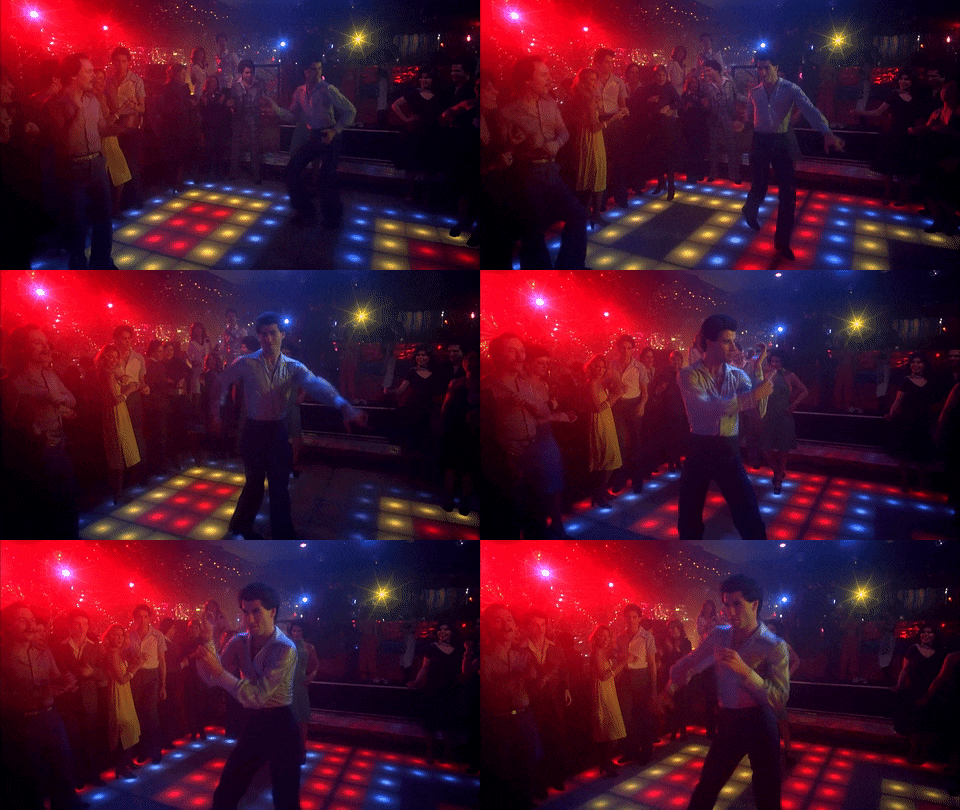
For Thursday, review your notes from our discussion of Saturday Night Fever. Bring any questions into class.
Here’s a list of 11 movies that seem (to me) similar to Saturday Night Fever. Take a look at the list. If you’re unfamiliar with any of the movies, take a look at their Wikipedia pages. Before you come to class, put your name under two movies on the list that you think you might be interested in analyzing a la structuralist poetics.
One fun thing about doing this kind of analysis is that it requires you to first read a movie closely. This will be the first step in your structuralist analysis. Here’s a sample of the notes I took on Saturday Night Fever – – before I started thinking about the movie in structuralist terms. And, here are Emilie’s excellent notes on our class discussion!
For Tuesday, be sure to watch Saturday Night Fever (1977) here. (If you can’t remember the password, email me.)
As you watch the movie, keep the following in mind:
Write down your notes for each of these and come to class with: a list of the three main narrative actors/agents; a boiled-down action/plot sequence; a very brief explanation of the main conflict.
For Thursday, let’s read a summary of Will Wright’s structuralist study of the Western genre.
Also, don’t forget: your “Araby” assignment is due!
For Tuesday, let’s read the introduction to Seymour Chatman’s Story and Discourse.
So far, we’ve pretty much been talking about narrative in static terms; semiotics looks at structures and systems. Now, we’re going to turn to time. In other words, what does narrative do with and in time? To start this discussion, let’s read some Aristotle!
Also, nota bene: I’ve posted the James Joyce assignment.
For Thursday, peruse John Fiske’s “Reading the Beach.” It’s a very interesting semiotic reading of setting.